Best Diet Plans for Weight Loss That Actually Work for Fast Results
Having trouble finding the best diet plans for weight loss that actually work? You are not alone in this dilemma! There are just too many diet plans out there that it has become confusing to know which ones actually work.
However, the reality of the matter is that weight loss isn’t about starving yourself or trying out the latest fad diets that promise the world but don’t actually work in the end.
It’s about finding a weight loss plan that actually works for you in the long run! In this blog, you will learn the science behind a high-protein diet, a low-calorie diet, and much more that will actually help you lose weight without starving yourself in the process! Let’s get started with a few easy steps that you can actually put into practice.
What Makes the Best Diet to Lose Weight?
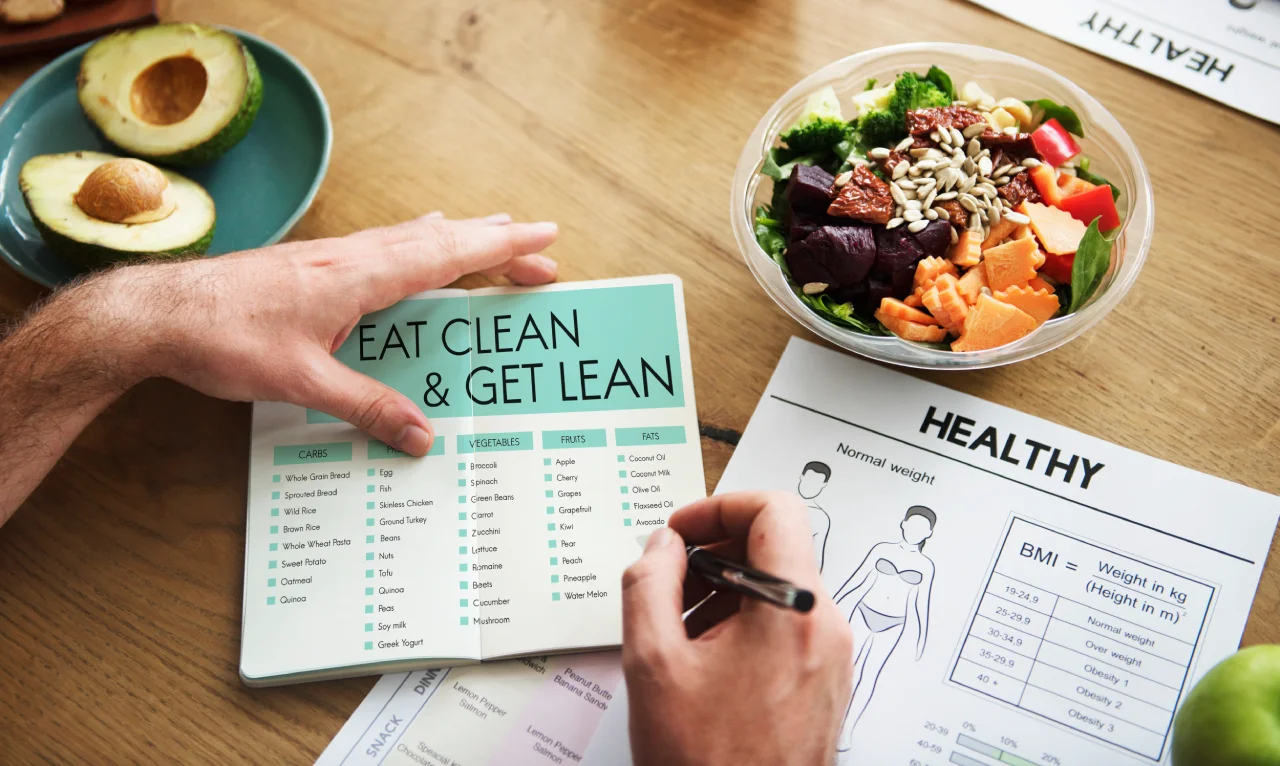
The best diet for weight loss is not about excluding a particular class of foods. Instead, it is about achieving a balance, consistency, and creating a calorie deficit. Scientific research, endorsed by platforms such as the Mayo Clinic, has proven that weight loss is achieved by consuming fewer calories than you burn, in addition to a healthy diet.
The best weight loss diet plan is one that has three main components: nutrient-dense foods, satiety, and simplicity. Foods that keep you fuller for a long period, such as protein and fiber, help you avoid overeating. Therefore, experts such as Dr. Michael Greger recommend whole, minimally processed foods.
The second component of a good weight loss diet is sustainability. Some diets may be too restrictive, and this is a barrier to success. Therefore, it is crucial to develop a diet that you can maintain in the long term.
High Protein Diet A Powerful Fat Loss Tool
One of the best ways to reduce weight is a high protein diet. This is one of the most effective ways that is part of the best diet plans. A protein diet is quite effective in reducing hunger and increasing fullness.
This is one of the best ways to keep your calorie intake in check. Research done and referenced by Harvard T.H. Chan School of Public Health indicates that protein can help increase metabolism via the thermic effect of food.
In short, this means that your body burns more calories digesting protein than fat and carbohydrates. Some of the best protein sources include eggs, chicken, fish, Greek yogurt, lentils, and beans. This is recommended by experts such as Dr. Peter Attia. This is not only effective in reducing fat but also helps in maintaining muscle mass.
Low Calorie Diet The Core of Every Weight Loss Diet Plan
A low calorie diet is one of the easiest ways to ensure constant fat loss with minimum effort.
- A low calorie diet basically follows a simple principle, i.e., to consume fewer calories than you burn to ensure a calorie deficit in your body.
- It doesn’t mean you have to eat less; instead, you have to eat smarter by consuming more vegetables, proteins, and grains.
- These help you stay full while also keeping your calorie intake low, making the diet much easier to follow.
- However, do not reduce your calorie intake too much, as this can lead to fatigue, cravings, and nutrient deficiencies.
- It has been advised to reduce calories moderately to ensure healthy weight loss.
- If you want to ensure better results, you can also add a high protein diet to a low calorie diet to ensure you stay full while also keeping your energy levels high.
This diet can help you achieve better results if you are able to follow it consistently with smart food choices.
Intermittent Fasting A Flexible Diet to Lose Weight
Intermittent fasting is another popular option in the best diet plans for weight loss. Unlike the others, intermittent fasting focuses not on the food that you consume, but the time that you consume the food.
According to the studies highlighted by Johns Hopkins Medicine, intermittent fasting may be helpful in reducing calorie consumption in a natural manner.
This is a great option for those who prefer fewer meals in a day or for those with a busy schedule. This option simplifies the pattern of food consumption and may be used in conjunction with a high protein diet or a low calorie diet.
However, it should be kept in mind that skipping meals and consuming a lot of food at a later time will not be helpful in achieving the desired results.
Sample Meal Plan for Weight Loss
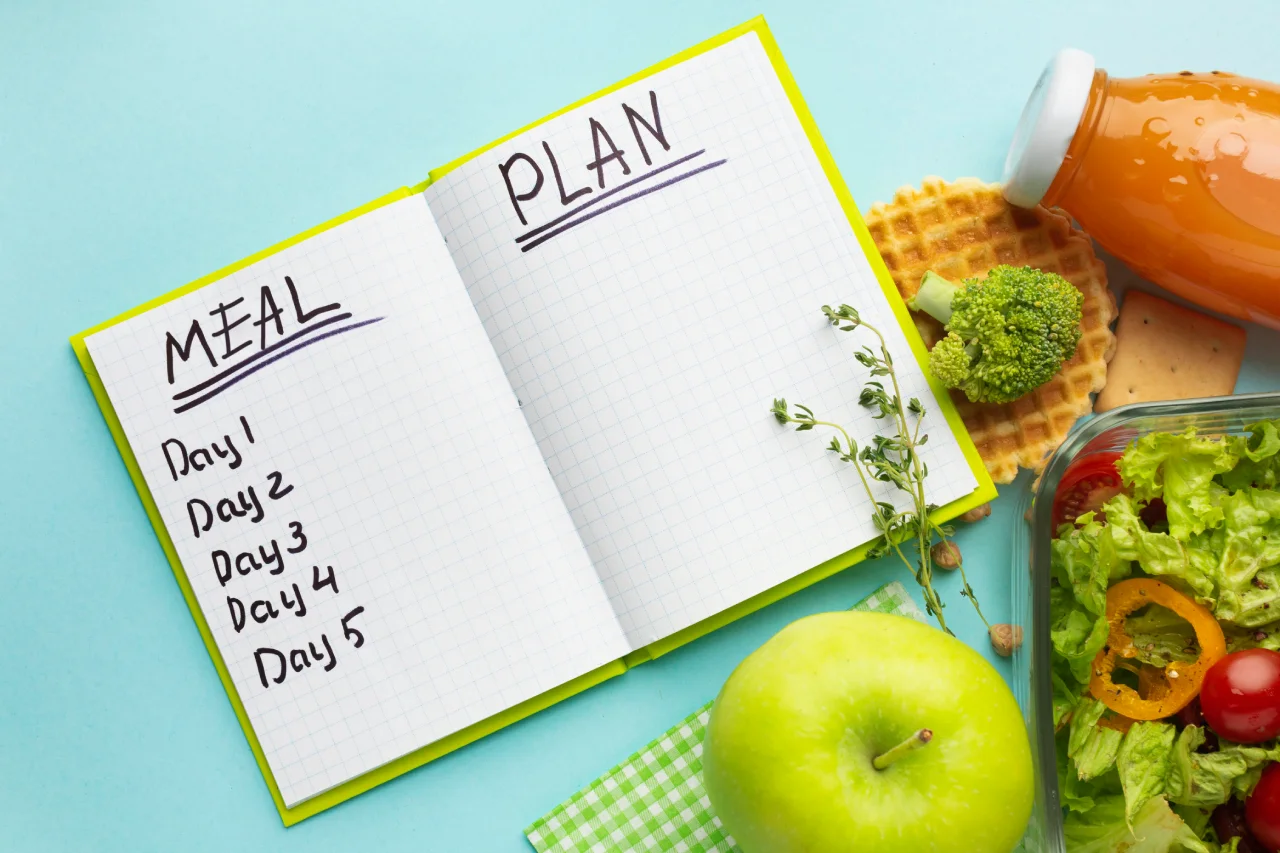
Developing a structured plan for meals helps in being consistent in the weight loss process and avoiding unhealthy food options. Here is a sample plan for one day:
- Breakfast: Scrambled eggs with spinach and whole-grain toast
- Lunch: Grilled chicken salad with mixed greens and olive oil dressing
- Dinner: Baked salmon with vegetables
- Snacks: Greek yogurt, almonds, fruits, etc.
This plan combines a high-protein diet plan with a low-calorie diet plan, which will keep you full and in a calorie deficit. Experts at the Academy of Nutrition and Dietetics suggest developing a plan for meals in advance to ensure consistency in the process.
Batch cooking, portion control, and shopping in advance make a significant impact. The idea is to make the meals easy to cook, nutritious, and repetitive.
High Protein vs Low Calorie Diet – Which Is Better?
In comparing a high protein diet and a low calorie diet, the truth is that they work best when used together. A low calorie diet is needed to help you lose weight because it creates an energy deficit.
A high protein diet is needed to help you lose weight because it helps control hunger. Experts like Dr. Layne Norton stresses this.
In comparing a high protein diet and a low calorie diet, experts stress that you should combine both when creating a weight loss diet plan. This is because this combination is what makes the best diet plans for weight loss work.
Expert Tips to Make Your Diet Plan Work
By sticking to the right habits, a tremendous difference can be made in the achievement of sustainable results without feeling overwhelmed or restricted in your routine.
The best way to keep your routine simple and consistent in achieving the desired results is:
- Focus on whole foods instead of processed foods.
- Monitor your food habits to be aware of the calorie and nutrient consumption.
- Adopt a high-protein diet for increased fullness and fat loss.
- Drink plenty of water to stay hydrated and manage hunger.
- Adopt portion control to prevent overeating even on healthy foods.
- Experts at the National Institutes of Health suggest making gradual changes instead of extreme diets.
- Consult a qualified expert in the field of nutrition if needed.
These practical tips will help you develop habits that last, making your weight loss diet plan more effective, realistic, and easy to maintain.
Conclusion
Making the best diet plans for weight loss doesn’t have to be complicated. The best way to make it simple is by incorporating high protein diets into low-calorie diets.
Being consistent in what you do is the key to making it work. Whether it is intermittent fasting diets or a weight loss meal plan, the idea is to make it sustainable rather than perfect.
Now it is your turn. First, pick one idea from this blog and implement it today. Create your own plan, be patient, and track your results. The sooner you begin, the closer you will get to making your weight loss dreams a reality.
FAQ’s
- What is the most effective diet for losing weight?
A high protein, low calorie diet is most effective, helping control hunger while maintaining a calorie deficit for sustainable fat loss. - What is the 3-3-3 rule for weight loss?
The 3-3-3 rule involves eating three balanced meals, drinking water regularly, and staying active daily to support consistent weight loss. - How do I lose 20 pounds in a month?
Losing 20 pounds in a month is extreme; focus on safe weight loss through calorie control, protein intake, and regular physical activity. - Can HRT help with weight loss?
HRT may help balance hormones, but weight loss depends more on diet, calorie intake, physical activity, and overall lifestyle habits.