Nutrition isn’t just part of the process if you want to build muscle it’s the whole point. High protien diet for muscle
Just think of protein as the fuel your muscles need to repair and rebuild after every intense workout and the smarter you eat, the better your results.
But with all the foods, snack ideas and protein amounts floating around out there, it’s no wonder you feel like you’re drowning in a sea of confusion.
That’s where this guide comes in. You’ll find what a high protein diet is, how much protein you should be consuming, what foods are high in protein, what snacks to eat to help build muscle and how to reach your daily goals all without the confusion.
What a High‑Protein Diet Really Means
In short, a high-protein diet is a meal plan that focuses on foods with higher protein content than a regular diet. Protein is what gives your muscles the amino acids they need to rebuild after exercise and trigger new muscle growth.
The regular recommended daily intake for general health is about 0.8 grams of protein per kilogram of body weight, but for muscle-building diets, it is recommended to take in more, such as 1.6-2.2 grams per kilogram.
Instead of consuming all your protein from one meal, it is better to distribute your protein intake throughout breakfast, lunch, dinner and snacks.
Daily Protein Intake: Your Target
To get the most out of your exercise routine, it is helpful to set a goal that is more realistic. Studies have shown that a goal of 1.6 to 2.2 grams of protein per kilogram of body weight per day is more effective for muscle repair and growth than just following the recommended guidelines.
If you weigh 75 kilograms, your goal could be to consume between 120 and 165 grams of protein per day.
Consuming too little protein can hinder your progress, but consuming too much protein will not necessarily provide additional benefits and may interfere with your ability to consume other nutrients.
Top High‑Protein Foods for Muscle Growth
A strong body begins with a strong plate.
These are the best food options that provide high-quality protein:
- Animal Protein Sources
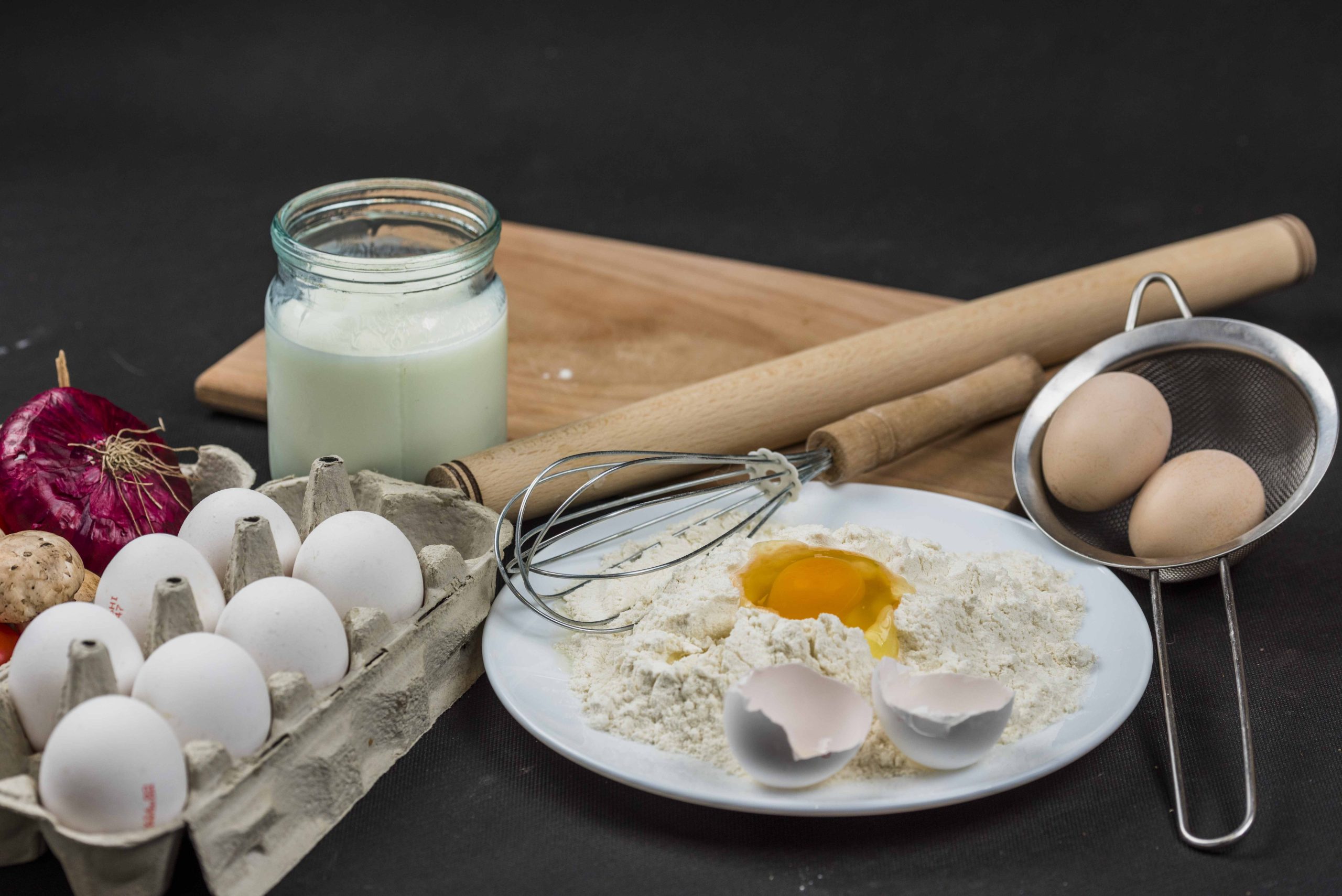
- Eggs: Versatile, complete protein; 6g per large egg.
- Chicken & Turkey Breast: Lean and high in protein (20-30g per 3 oz serving).
- Salmon & Tuna: ~22g per serving, rich in omega-3 fatty acids to aid recovery.
- Shrimp: ~15-16g per 100g, rich in micronutrients for overall health.
- Lean Beef: ~18-26g per 3 oz serving, rich in iron and creatine.
- Plant-Based and Other Protein Options
- Soy & Edamame: Complete plant protein; ~17-25g.
- Lentils & Beans: Excellent plant protein with fiber (about 15-18g per cup).
- Greek Yogurt & Cottage Cheese: ~10-27g, also rich in calcium.
- Nuts & Seeds: Almonds, pumpkin seeds; rich in protein and healthy fats.
Variety from animal and plant protein sources provides a mix of amino acids, vitamins and minerals that help repair muscles and maintain health.
High‑Protein Snacks for Bodybuilding
Snacks can be your secret weapon for muscle gain especially if they help you hit protein goals between meals.
Here are snack ideas that balance convenience and nutritional punch:
Snack | Protein / Benefit |
|---|---|
Hard‑boiled eggs | Portable and rich in high‑quality protein. |
Greek yogurt with berries | Protein‑packed and tasty. |
Jerky (beef, turkey, salmon) | Around 10–12g per ounce. |
Protein bars | 15–25g protein; choose low added sugar. |
Nuts or trail mix | Almonds, pistachios for protein plus energy. |
Edamame or bean salads | ~15–18g with fiber to support digestion. |
Choose snacks that offer 5g or more protein per serving to make meaningful contributions to your daily target.
How to Distribute Protein During the Day
Instead of consuming all your protein at one meal, a more balanced approach will help with muscle protein synthesis. Try to eat meals and snacks with 20-30g of protein in them.
For instance:
- Breakfast: Eggs or Greek yogurt
- Snack: Nuts or Jerky
- Lunch: Chicken salad or Tofu bowl
- Post-workout: Protein bar or Shake
- Dinner: Fish, Lentils or Lean Beef
By doing this, you ensure that your muscles are constantly being fed and that you are recovering from your workouts. Some studies also indicate that consuming protein before and after a workout can help your muscles take advantage of the protein boost, but it is still the overall intake that matters.
Common Myths and Facts
There’s a lot of chatter online about protein, but here’s what matters:
Myth | Fact |
More protein always equals faster muscle gains | A balanced protein range tailored to your weight and activity level matters most. |
Supplements replace food | Whole foods offer vitamins, minerals and fiber that powders can’t match. Use powders only when food falls short. |
Conclusion
A well-structured high-protein diet is not only about consuming more protein but also about eating the right foods, distributing your protein intake throughout the day and combining nutrition with your workout routine to help repair and build muscle.
With the knowledge of how much you require and what foods provide the best value for your money, you can work towards achieving your strength goals.
Now that you have the best tips and protein-rich food options at your disposal, it is time to implement them! Use the ideas presented above to construct your next meal, monitor your protein intake for a week and then make changes depending on how your body responds. Your muscles will appreciate the effort!
FAQ’s
- Can you build muscle just by eating high protein?
No, muscle building requires consistent resistance training combined with adequate protein intake, proper sleep and overall balanced caloric nutrition for optimal results. - What is the 40-40-20 rule for bodybuilding?
The 40 40 20 rule means consuming 40% protein, 40% carbohydrates and 20% healthy fats daily to maximize muscle growth and performance. - What protein diet is best for muscle gain?
A diet rich in lean meats, eggs, Greek yogurt, cottage cheese, fish, legumes and whey protein supports optimal muscle growth effectively. - Is 150g of protein a day enough to build muscle?
Yes, 150g daily is sufficient for most people. General recommendations suggest 0.7 to 1 gram of protein per pound of bodyweight daily.